Philosophy
Material first.
The philosophy is not a collection of aspirational phrases. It is a set of principles meant to shape every decision.
- I
Material first.
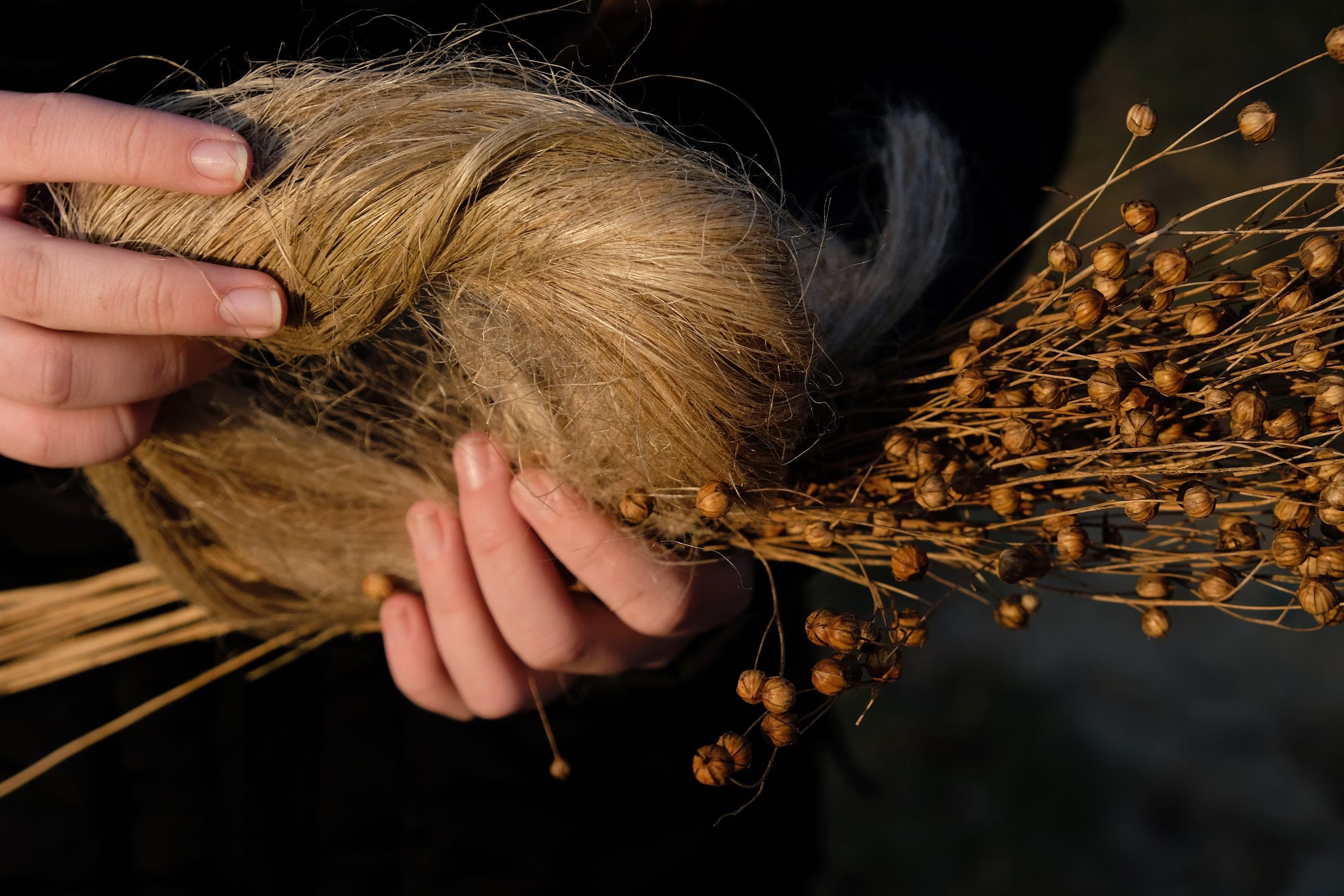
Our story begins with the material. We must know it: its origin, its construction, how it behaves, its texture and drape, its applications, why we selected it — and why it suits a given project. We do not sell specifications alone. We sell knowledge around the material.
- II
Quality without shortcuts.
Quality is not a product category. It is a discipline. It belongs in the material, the selection, the service, the photograph, the sample, the packaging, the interface, the email, the quote, the delivery and what comes after. Nothing is irrelevant. Everything says who we are.
- III
Curation over abundance.
We do not try to offer everything. We try to offer what is right. Abundance is not necessarily value. Every material should have a reason to exist within the system. Curation should reduce noise and increase clarity.
- IV
Service is part of the product.
Service begins before the sale. It should feel personal, informed, attentive, discreet, timely and reliable. The aim is not only to answer questions. It is to anticipate them.
- V
Knowledge creates value.
Knowledge should turn a fabric into an informed decision, a selection into a narrative, a sample into a recommendation, a project into a story — and a purchase into a long relationship.
- VI
Technology must feel human.
Technology should be integrated with sensitivity, never dominate the experience. It should help to discover, compare, select, understand, document, remember and connect. The most useful technology may be the one the client barely notices, yet values constantly.
- VII
Heritage and innovation can coexist.
Tradition and innovation are not opposing forces. A material with centuries of history can live alongside digital traceability. A garment made by hand will be able to keep its identity through a Garment Passport. A residence will be able to preserve the memory of its materials through a Residence Passport. Our role is to connect both worlds with care.
Memory
Objects can have memory.Spaces can have memory.Materials can have memory.
Over time, the systems of the House are designed to recover the materials used, the palettes developed, the decisions taken, provenance, care, authenticity and continuity.
Traceability
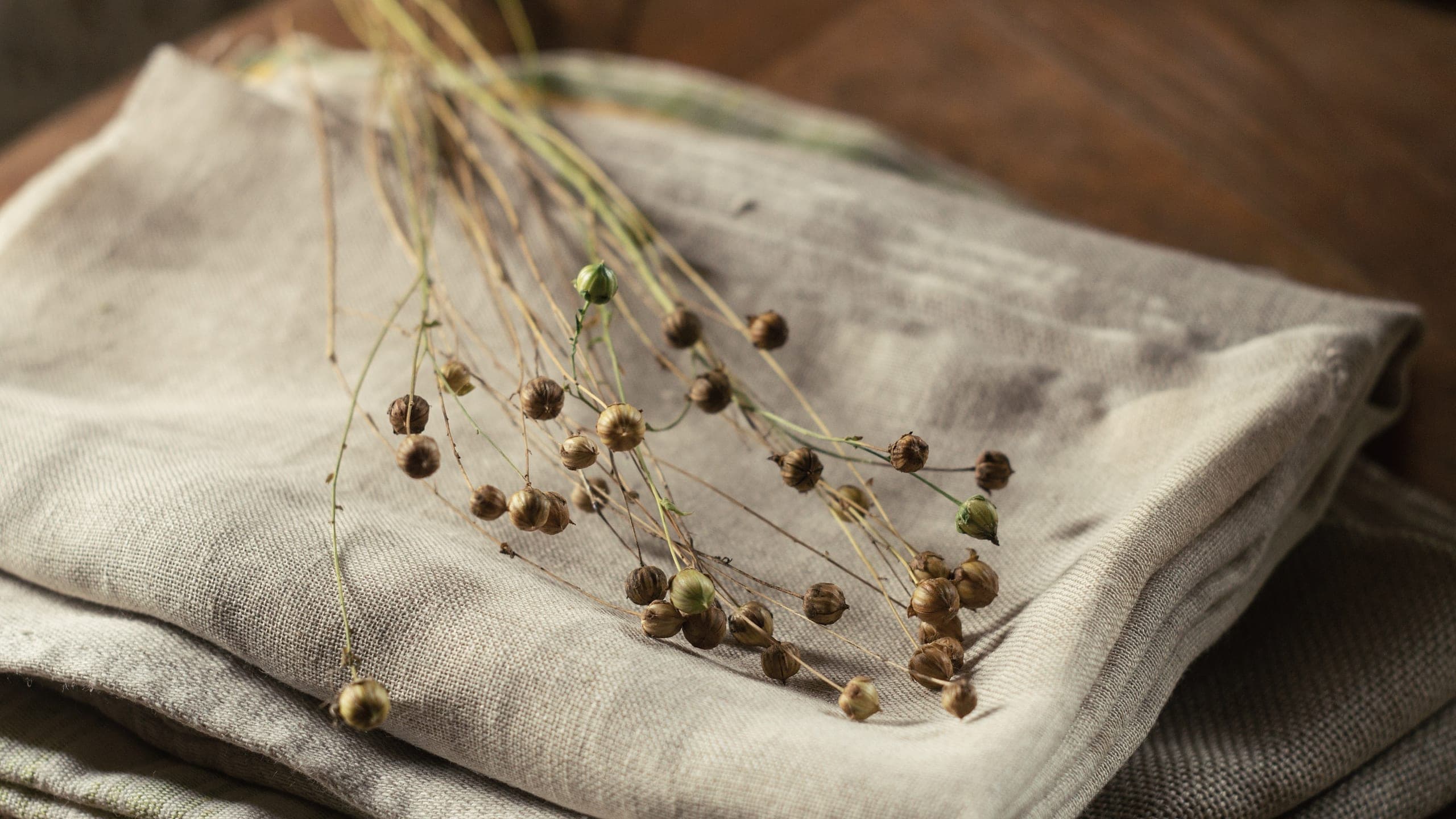
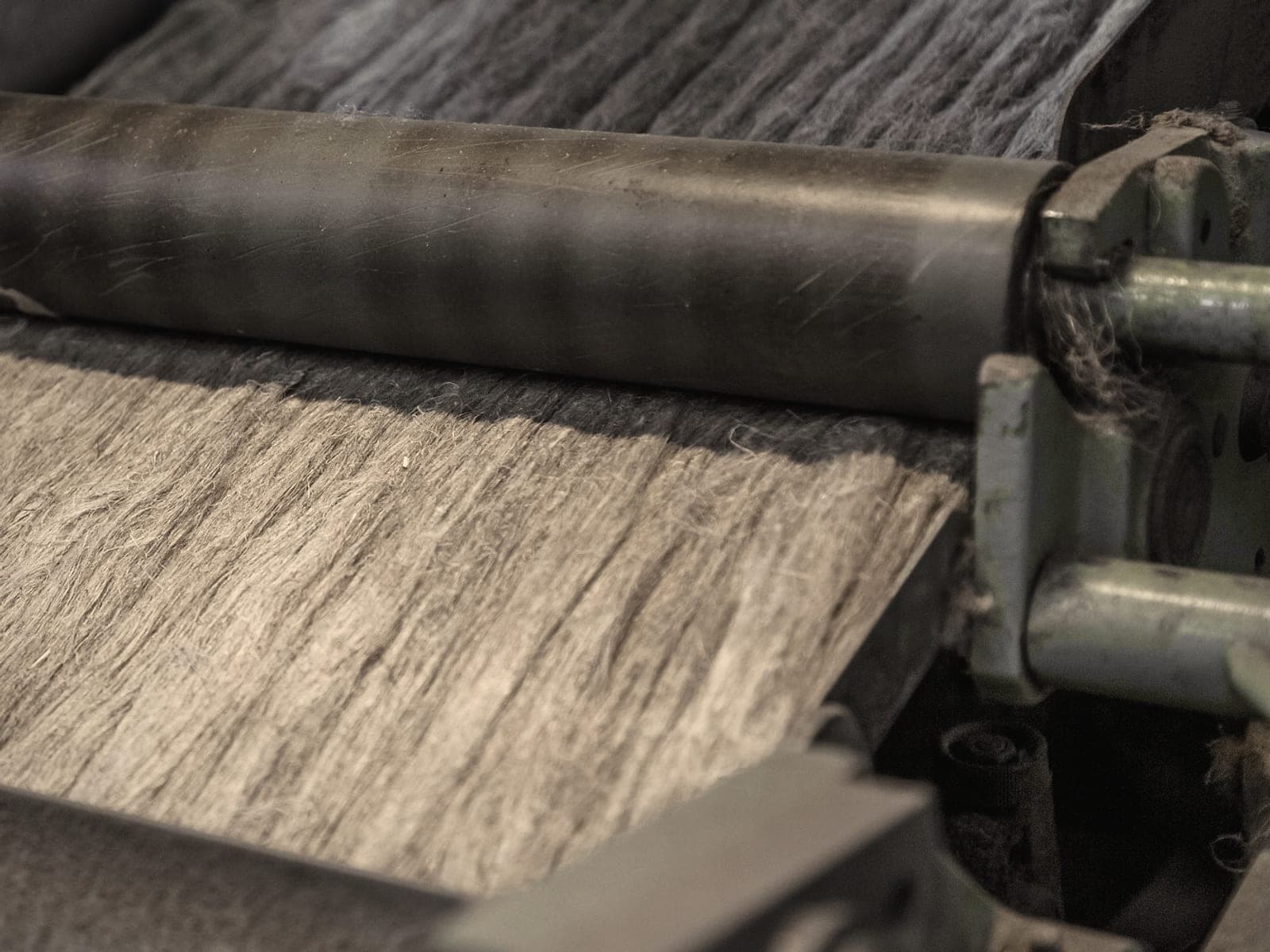
Traceability is not only a technical feature. It is a form of trust. Wherever possible, the House is designed to connect:
- Material
- Mill
- Fabric
- Batch
- Designer
- Project
- Product
- Owner
Not every piece of information has to be public. But the House intends to keep it, structure it and turn it into a verifiable story.
Does it belong in our House?
Before anything is launched, the House asks: does it represent our standard? Does it respect the material? Does it add real value? Does it improve the experience? Will we still be proud of it in five years?
If the answer is no, it is not ready yet.